

Gym cleaning checklist & walk-through form

Gyms and fitness facilities are a challenge. We’ve put together sample forms to help you get all of the information you need from inspections, as well as a sample cleaning checklist for your staff.

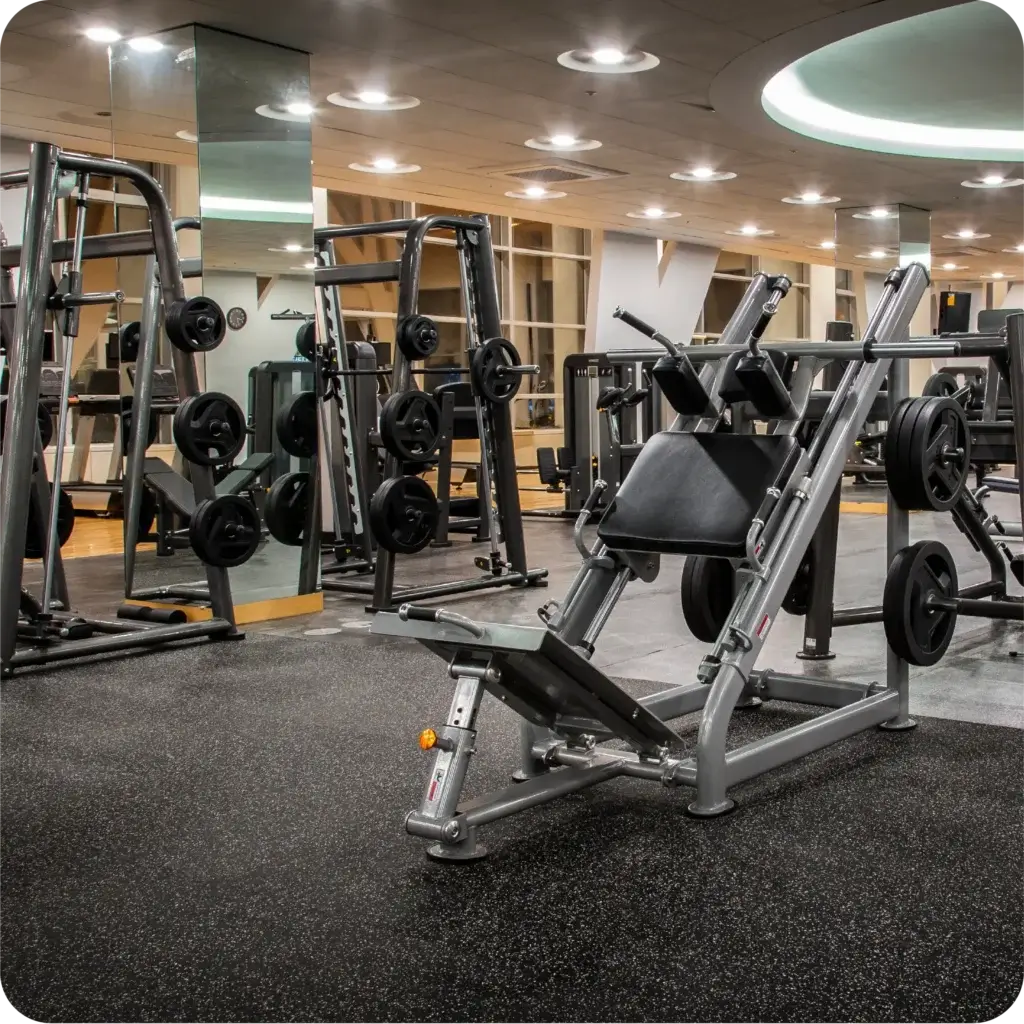
A photo showing gym equipment, illustrating proper fitness center maintenance and cleaning.

Fitness centers are a perfect storm of cleaning challenges. They’re full of big, expensive equipment that your team needs to clean and sanitize regularly. They have unique flooring and wall surfaces to maintain. Extras such as locker rooms, showers, and laundry service add complexity fast.

Staying organized is essential to staying on top of it all.

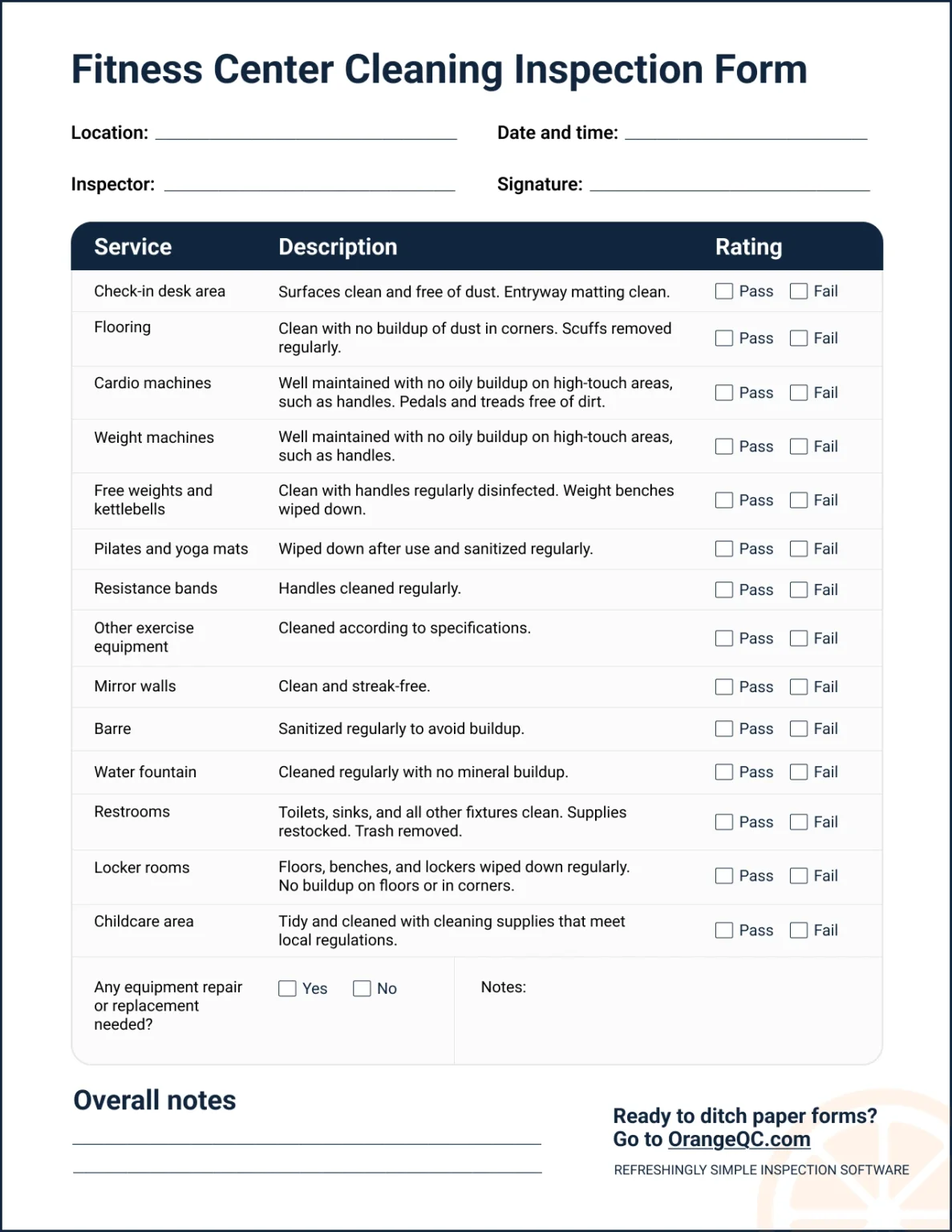
Sample fitness center inspection form

Service Description Pass / Fail
Check-in desk area Surfaces clean and free of dust. Entryway matting clean. Pass / Fail
Flooring Clean with no buildup of dust in corners. Scuffs removed regularly. Pass / Fail
Cardio machines Well maintained with no oily buildup on high-touch areas, such as handles. Pedals and treads free of dirt. Pass / Fail
Weight machines Well maintained with no oily buildup on high-touch areas, such as handles. Pass / Fail
Free weights and kettlebells Clean with handles regularly disinfected. Weight benches wiped down. Pass / Fail
Pilates and yoga mats Wiped down after use and sanitized regularly. Pass / Fail
Resistance bands Handles cleaned regularly. Pass / Fail
Other exercise equipment Cleaned according to specifications. Pass / Fail
Mirror walls Clean and streak-free. Pass / Fail
Barre Sanitized regularly to avoid buildup. Pass / Fail
Water fountain Cleaned regularly with no mineral buildup. Pass / Fail
Restrooms Toilets, sinks, and all other fixtures clean. Supplies restocked. Trash removed. Pass / Fail
Locker rooms Floors, benches, and lockers wiped down regularly. No buildup on floors or in corners. Pass / Fail
Childcare area Tidy and cleaned with cleaning supplies that meet local regulations. Pass / Fail
Any equipment repair or replacement needed? Y/N Notes:
Overall notes

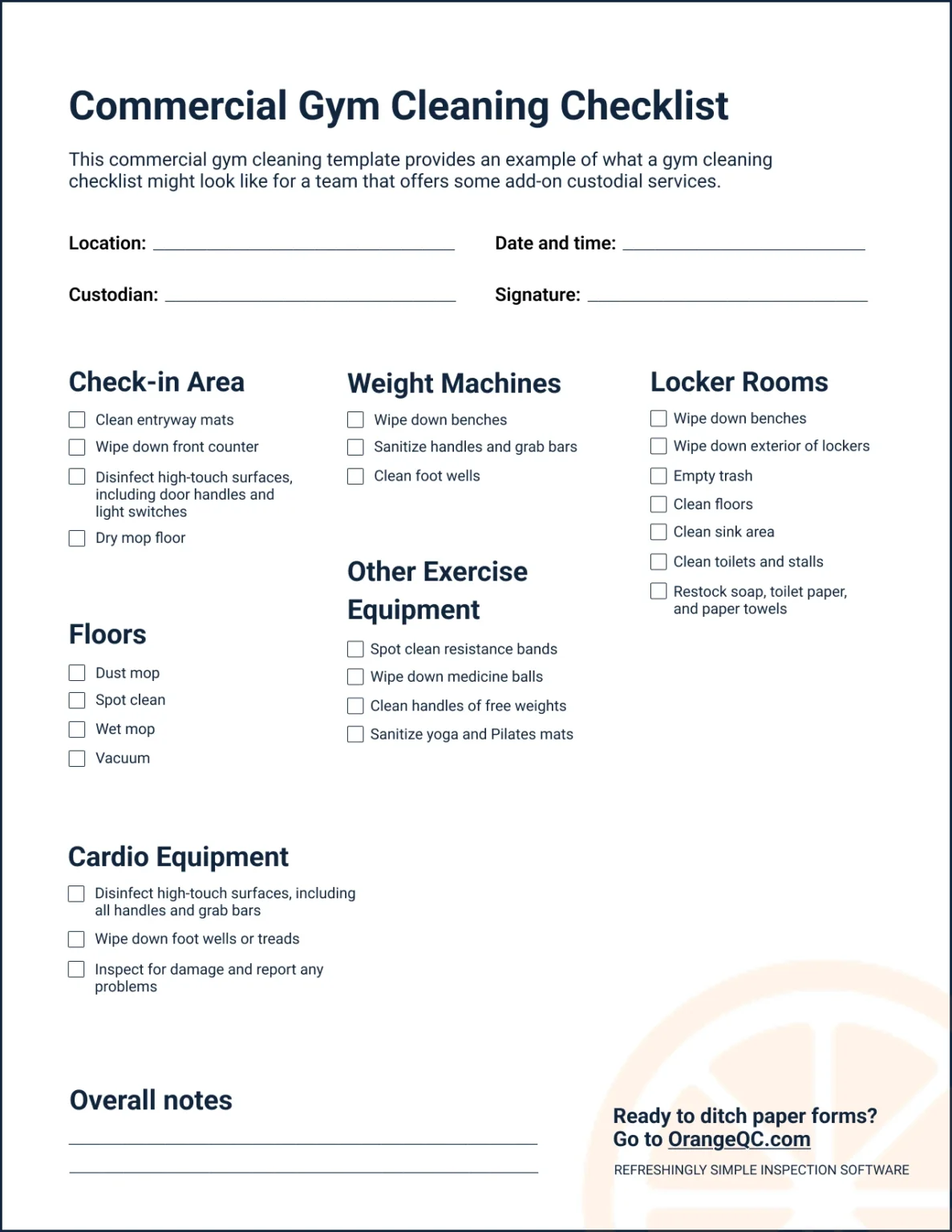
Sample commercial gym cleaning checklist

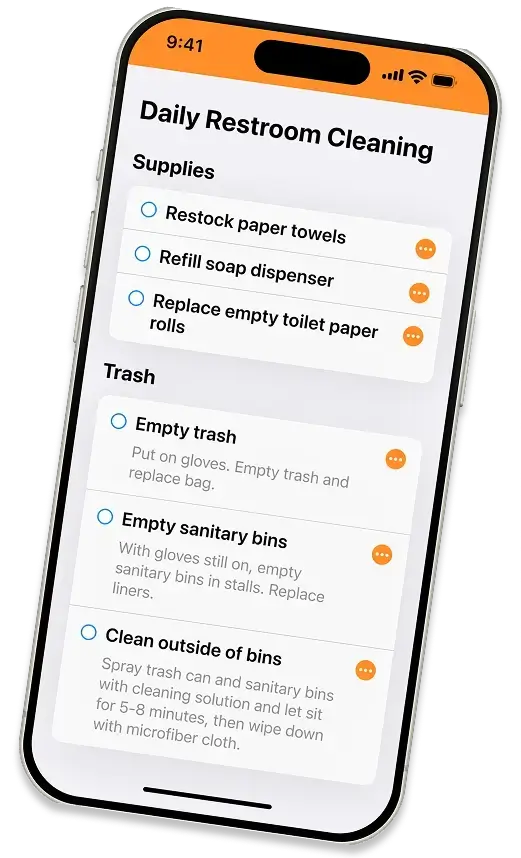
Gyms are complex, and your team’s responsibilities can vary significantly. Here’s a sample of what a gym cleaning checklist might look like for a team that offers some add-on services.

Check-in Area

Floors

Cardio Equipment

Weight Machines

Other Exercise Equipment

Locker Rooms

Benefits of quality control for gyms and fitness centers

A good quality control system helps teams maintain high standards in the spaces they service. This consistency is extremely important in workout spaces, which are public areas that people use in intimate ways. A hairball clogging the locker room shower or a sweaty pile of mats can drastically reduce customer satisfaction; on the other hand, clean equipment and spaces are a huge competitive advantage.

What other types of inspections do fitness spaces benefit from?

Workout centers need inspections for cleaning quality like the example above. But that’s not the only kind of inspection teams can do to measure and improve quality in these spaces.

  • Public relations inspections are especially well suited to gyms, which have great opportunities for add-on services.

  • Process compliance audits ensure that your team handles the equipment they clean with care, preventing expensive mishaps. Pay special attention to dwell time for cleaning products.

  • Customer experience inspections look at the fitness facility from a user’s perspective, helping your team catch the kinds of problems that cause complaints.

How digital software helps with fitness room cleanliness

Digital tools help frontline staff and supervisors alike make sense of the complexity of fitness rooms. These spaces have lots of high-touch surfaces, including ones that gain new importance when people are laying on the floor to stretch or sweating it out on the weight bench.

Checklists help your cleaning team remember all of the important areas to clean and sanitize. Inspections identify spots that need more frequent cleaning, as well as equipment that might need servicing above and beyond what the frontline staff can handle. That information helps teams deliver good service and communication to customers.

Best practices for cleaning fitness facilities

If you haven’t worked in fitness facilities before, be sure to train and retrain your frontline staff on best practices for cleaning in these spaces.

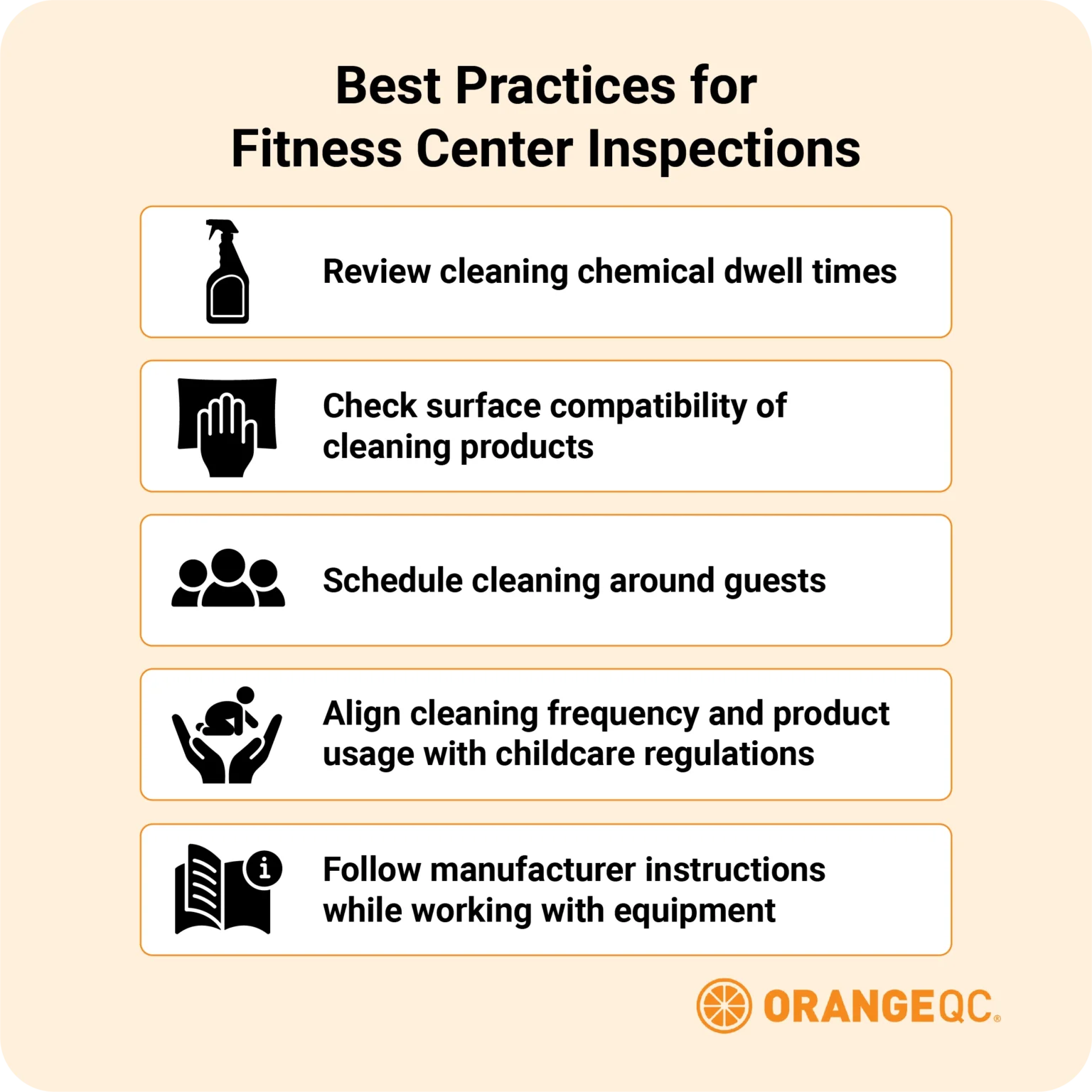
  • Check dwell times: Review your cleaning chemicals’ dwell times for cleaning and sanitization. Proper disinfection cuts down on the spread of germs and viruses.

  • Ensure surface compatibility: Double-check the compatibility of your cleaning products with surfaces such as rubber mats, metal grab bars, and cork flooring. Note which products your team should use on which line items in your cleaning checklists.

  • Plan around visitors: If cleaning will happen while visitors are working out, train your staff on how to work around guests. What should they do if there’s a line for a machine they need to clean? Is there signage they should use to temporarily close restrooms? What about wet floor signs?

  • Review childcare rules: If the facility includes a childcare area, be sure to review your local regulations and guidelines for cleaning frequency and product usage.

  • Follow manufacturer guidelines: Check manufacturer guidelines for working with equipment, especially top-of-the-line models. For example, ProForm has instructions and products available specifically for cleaning and lubricating treadmill belts. This can be a great selling point for commercial cleaners.

An image with best practices for fitness center inspections referenced in the text above.

Tips for bidding on athletic facility contracts

Considering bidding on a gym or fitness center contract? Keep these tips in mind:

  • Be sure that the person handling the bid walk-through is extremely thorough in recording sizes, surfaces, and equipment cleaning requirements. Otherwise, you can find yourself in way over your head with the complexity of these spaces.

  • Be specific about what your team is (and isn’t) responsible for. Extra services such as windows, laundry, and surface refinishing can be sales upgrade opportunities if you want to take them on.

  • Ask your contact about the gym’s hours and when they expect cleaning. A 24/7 facility can present some cleaning challenges that you’ll need to account for.

What do gym inspections focus on?

Gym inspections should focus on the visitor experience. Because people interact with these spaces and equipment with their whole bodies, cleanliness is extremely important. Put yourself in visitors’ (gym) shoes when you’re inspecting these spaces.

If you’re a gym-goer yourself, imagine times when you’ve grabbed the handles on an elliptical only to feel a slimy buildup of palm sweat or eyed a workout bench that’s covered in the last person’s sweat. It can kill the momentum of a workout and make it less likely that you’ll keep paying for a membership or using a building amenity.

FAQs

What should you include in a daily gym cleaning checklist?

Daily cleanings should focus on keeping workout equipment and high-touch surfaces clean and disinfected. Be sure to call out handles, grip bars, benches, and mats.

What safety checks should you perform in gyms?

Even if your team isn’t responsible for gym safety, calling out potential problems can make you a more valuable partner. Encourage your frontline staff and supervisors to flag damaged equipment and trip hazards.

How often should gym facilities be inspected?

That depends on your team’s cleaning frequency, the contract or service level agreement, and how much traffic the gym receives. You might inspect a busy commercial gym daily, or more, if you offer day porter services; a smaller workout room in an office building might only need weekly inspections if scores are consistently high.

What kinds of monthly or quarterly inspections should you do?

Athletic facilities often have surfaces that require special care, such as artificial turf, cork mats, and hardwood gymnasium flooring. Monthly or quarterly inspections help ensure that cleaning or refinishing cadences are keeping up with wear and tear.

More inspection resources

OrangeQC APPA custodial standards.

APPA Custodial Service Standards: The 5 Levels of Clean

APPA custodial service standards APPA’s custodial service levels provide a common benchmark for measuring cleanliness. Originally created for use in educational facilities, the levels are increasingly being used outside of education because they are detailed
Residence hall inspection guide.

Student Housing Inspection Form

Student housing inspection form Residence halls are some of the busiest buildings on campus. Organized digital inspection checklists can help your team stay on top of their priorities during the school year and be prepared

Facility team member using the OrangeQC cleaning standards app on a smartphone.

Understanding Cleaning Standards

Understanding cleaning standards Cleaning standards create a common language for custodial teams and their clients to talk about expectations and performance. Last Updated Jump to a section: Sign up for a free trial Get a

ISSA Cleaning Industry Management Standard (CIMS)

ISSA CIMS Standard

CIMS is short for Cleaning Industry Management Standards. This ISSA-run certification is awarded to effective, efficient cleaning teams that pass an auditing process. Certified teams have to meet a long list of criteria across a