
Grounds inspection form & maintenance checklist

Help your grounds team stay on top of large areas, seasonal challenges, and unexpected weather.

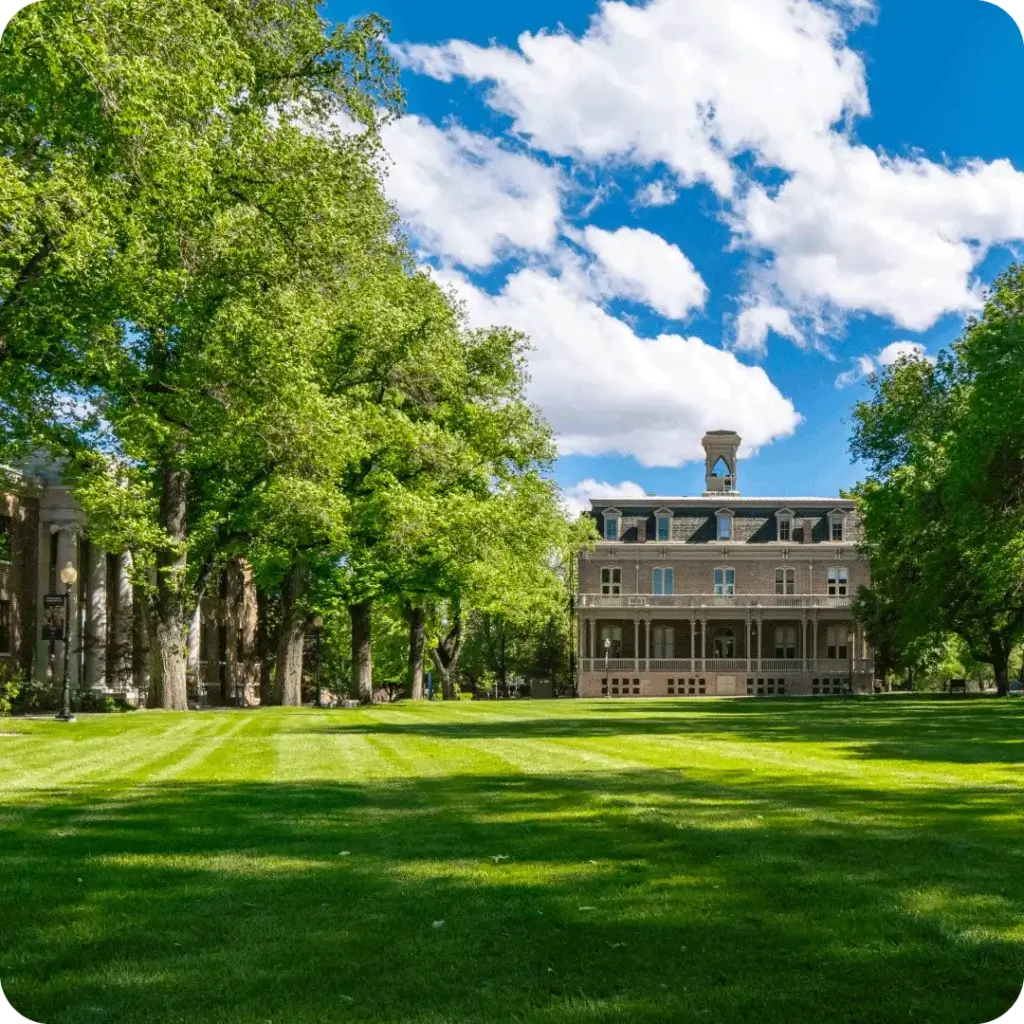
A photo of college grounds, illustrating landscaping quality control.

Groundskeepers keep outdoor spaces healthy, safe, and well maintained while often dealing with an unpredictable environment. Using groundskeeper inspection forms and landscaping maintenance checklists can help to keep problems from falling through the cracks.

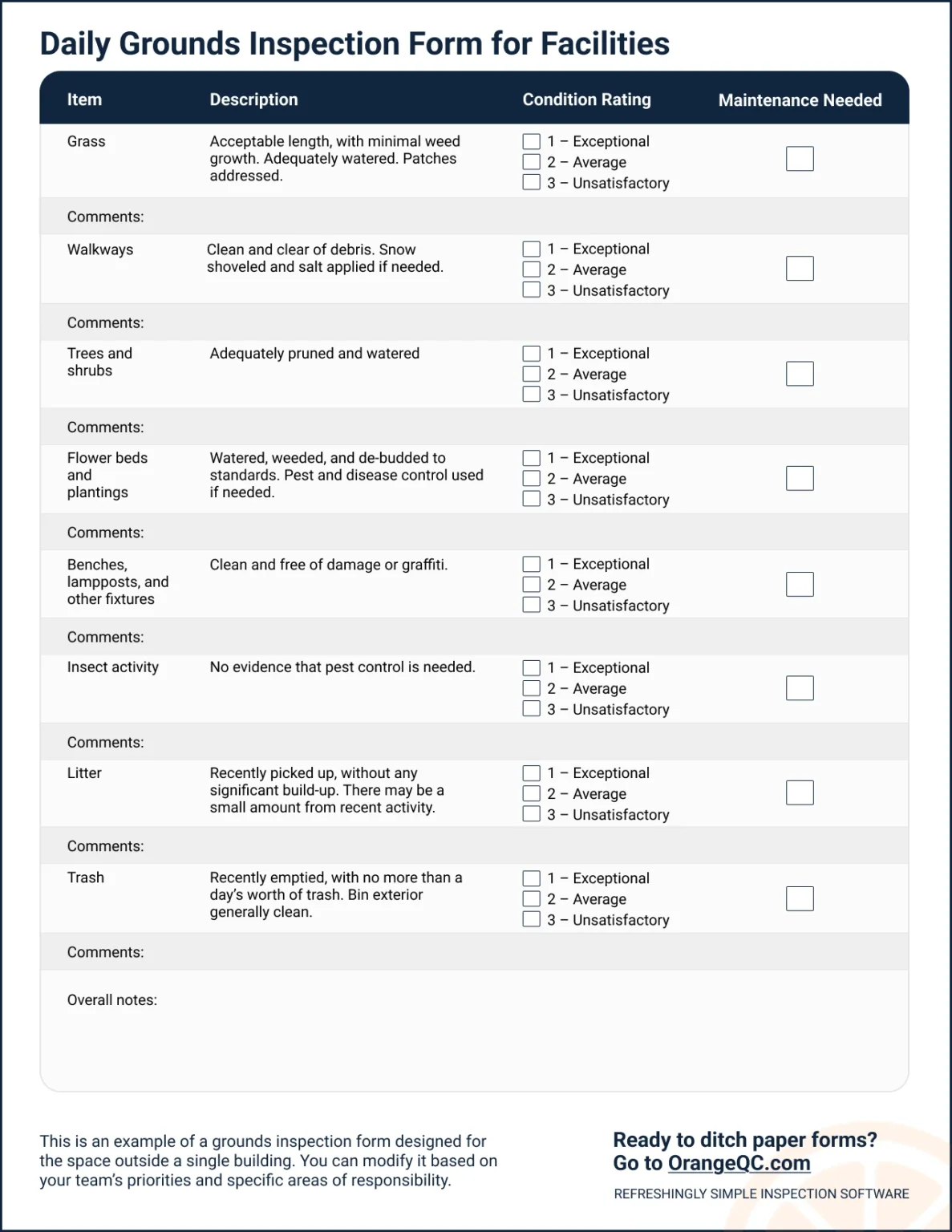
Daily grounds inspection form for facilities

This is an example of a grounds inspection form designed for the space outside a single building. You can modify it based on your team’s priorities and specific areas of responsibility.

Inspectors should check the “Maintenance Needed” box if they identify issues that are beyond the groundskeeper’s responsibility to address.

Item Description Condition Rating
Grass Acceptable length with minimal weed growth. Adequately watered. Patches addressed.

Walkways Clean and clear of debris. Snow shoveled and salt applied if needed.

Trees and shrubs Adequately pruned and watered.

Flower beds and plantings Watered, weeded, and de-budded to standard. Pest and disease control used if needed.

Benches, lampposts, and other fixtures Clean and free of damage or graffiti.

Insect activity No evidence that pest control is needed.

Litter Recently picked up without any significant build-up. There may be a small amount from recent activity.

Trash Recently emptied with no more than a day’s worth of trash. Bin exterior generally clean.

Overall Notes:

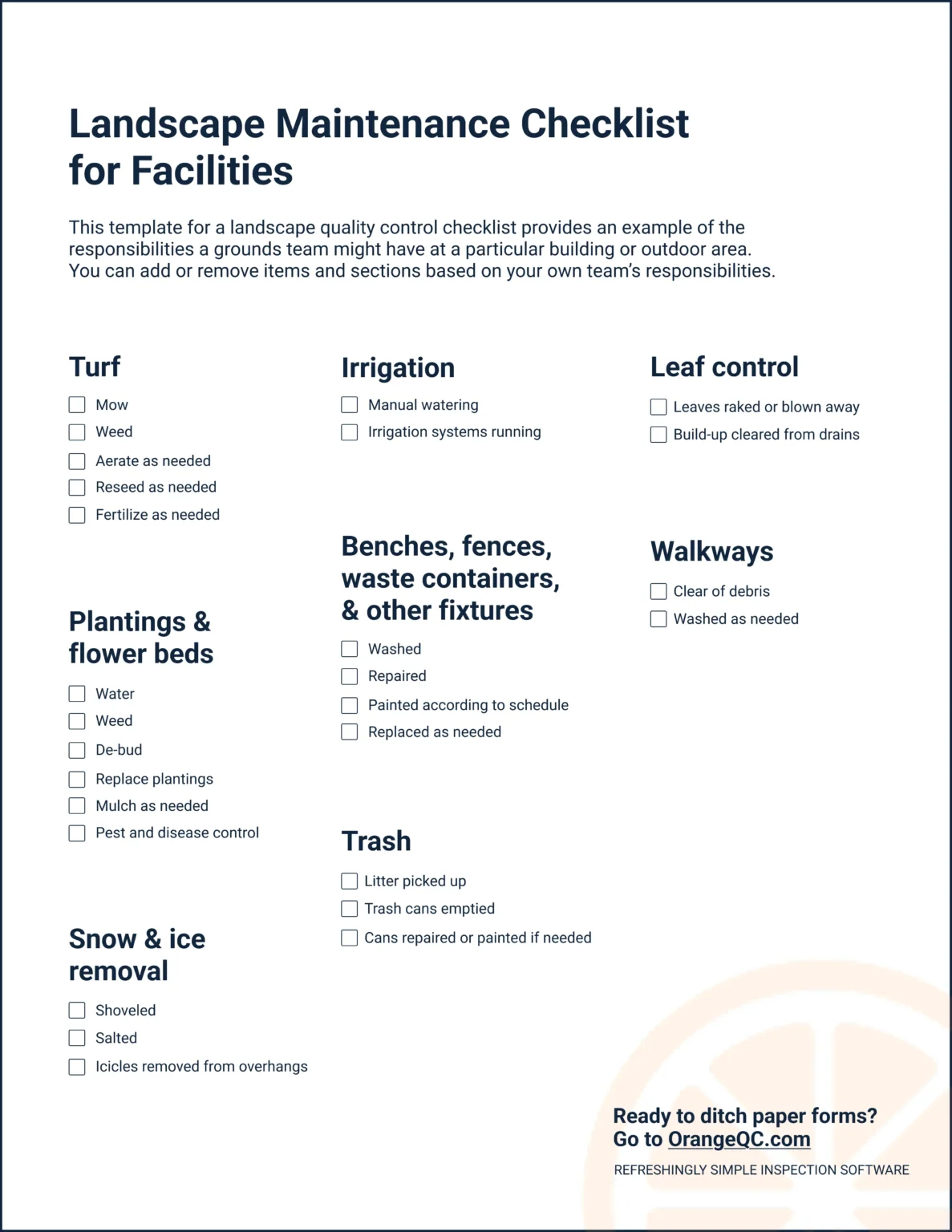
Landscape maintenance checklist for facilities

This template for a landscape quality control checklist provides an example of the responsibilities a grounds team might have at a particular building or outdoor area. You can add or remove items and sections based on your own team’s responsibilities.

Turf

Plantings and Flower Beds

Snow and Ice Removal

Irrigation

Benches, Fences, Waste Containers, and Other Fixtures

Trash

Leaf Control

Walkways

Quality control standards that apply to groundskeeping

  • APPA levels. APPA has a “level of attention” matrix for groundskeeping that can help your team set appropriate goals for turf care, litter control, inspection frequency, and more.

  • PGMS analytical rubric. The Professional Grounds Management Society has certification processes for professionals to attain Certified Grounds Manager or Certified Grounds Technician status. Certification includes a rubric with standards for grounds care covering trees, irrigation, design, and more.

  • STARS. Developed by the Association for the Advancement of Sustainability in Higher Education, the STARS framework helps facilities in higher education measure sustainability.

Why are groundskeeping inspections important?

With the volume of tasks a grounds team has to keep up with, making time for inspections is a constant challenge. However, consistent grounds inspections are key to improving quality, and without them, safety hazards and problems can grow out of control. Regular landscape inspections can help:

  • Catch safety issues quickly, helping to minimize risk.

  • Identify consistently low scores that signal gaps in equipment, training, or staffing.

  • Demonstrate to the client or wider organization that your team is professional and meticulous about quality.

How digital software helped improve groundskeeping quality in D-158​

The facilities team at Huntley Community School District 158 included a requirement in their grounds contract for the contractor to provide weekly documentation of services.

However, this wasn’t happening, so they had the crew start using OrangeQC’s groundskeeper inspection software to keep everyone on the same page.

Best practices for inspecting grounds​

Here are tips to get the best possible results from your groundskeeping inspections:

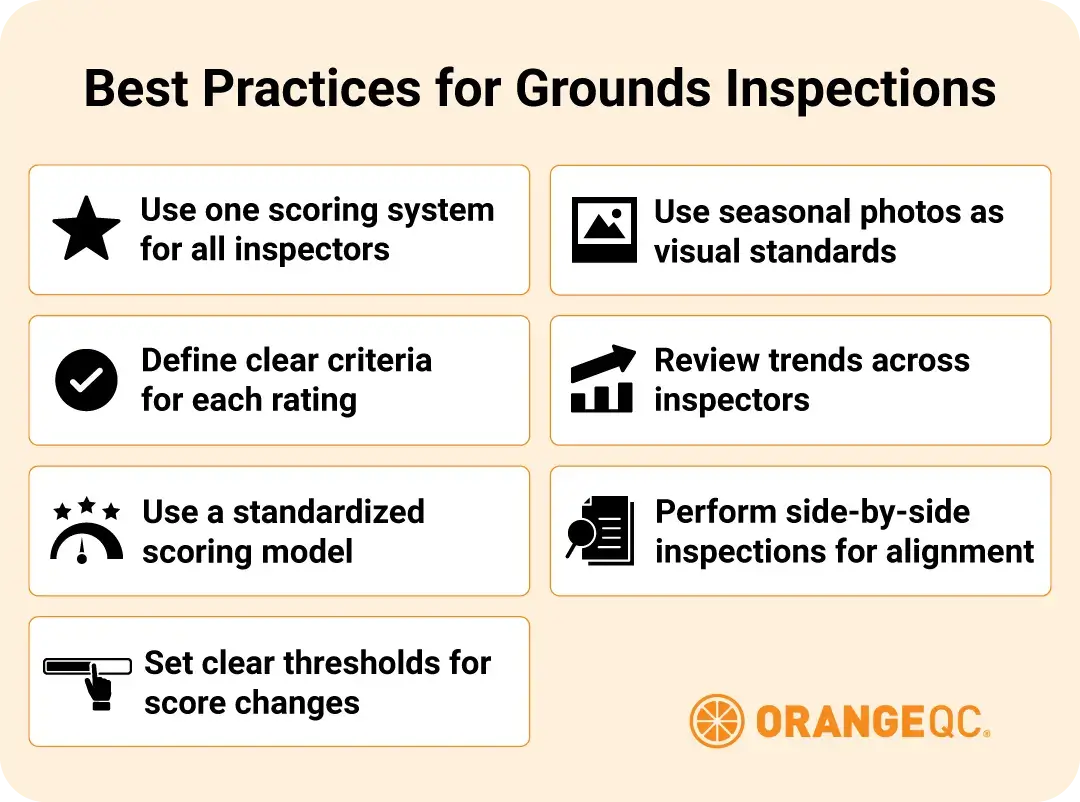
  • Standardize scoring: Agree on a common rating standard and use it for all inspections. (See below for more on scoring best practices.)

  • Share inspection results: Share the results of postwork inspections with team members. Don’t only share them when there’s a problem or something needs improvement.

  • Document with photos: Take photos to clearly communicate problems and highlight great work. Digital inspection software makes this easy.

  • Inspect immediately: Regularly inspect the area immediately after the work is complete so that it’s a true reflection of the team’s performance.

  • Inspect between visits: Occasionally, perform inspections toward the end of the gap between services. (You’ll want to ensure these inspections don’t negatively affect any individual’s quality score.) This reveals whether the frequency of the work is acceptable.

An illustration with best practices for grounds inspections included in the text above.

Best practices for using a scoring system in groundskeeping maintenance

Using a consistent scoring system across your inspectors gives you the best possible insight into what’s happening at each site. Be sure to provide clear instructions about what factors qualify each rating.

APPA’s level of attention matrix provides an example of a scoring system with a rich level of detail. Provide your team with the same kind of specific information about what affects the rating, especially if you use a wider scoring range, such as 1–5. For instance, how much litter does it take to reduce the score? Consider providing a photo of what the space should look like during each season to score top marks.

Pay attention to trends among inspectors and periodically perform side-by-side inspections of the same place to ensure everyone is on the same page.

What are grounds maintenance inspections?

Grounds maintenance inspections measure the level of service for outdoor areas. They focus on whether the grounds crew is effectively taking care of the areas that they’re responsible for.

Inspections also reveal whether there’s a need for repairs or additional services. For example, if the crew is completing all scheduled lawn aeration, fertilization, and irrigation but the lawn is not healthy, there may be additional steps needed. Using landscaping or park maintenance checklists can help ensure steps are not missed in the process.

FAQs

What categories do APPA levels for grounds apply to?

APPA’s levels of care are outlined most recently in Operational Guidelines for Educational Facilities: Grounds (Third Edition). They include turf care, litter control, pruning, snow removal, and more.

How often should facility grounds be inspected?

For the highest level of service, perform facility grounds inspections daily to help teams address any problems before they become noticeable to the public. At a minimum, a weekly grounds inspection will catch the main issues and allow teams to notice trends.

What are the biggest red flags in a grounds or landscaping inspection?

During a grounds inspection, look for signs of problems that will worsen if left unchecked. Address signs of disease or insect infestation swiftly for the best chance of resolving the problem. Additionally, make sure to flag and escalate any safety hazards quickly.

More resources

Residence hall inspection guide.

Student Housing Inspection Form

Student housing inspection form Residence halls are some of the busiest buildings on campus. Organized digital inspection checklists can help your team stay on top of their priorities during the school year and be prepared


ISSA Cleaning Industry Management Standard (CIMS)

ISSA CIMS Standard

CIMS is short for Cleaning Industry Management Standards. This ISSA-run certification is awarded to effective, efficient cleaning teams that pass an auditing process. Certified teams have to meet a long list of criteria across a

Facility team member using the OrangeQC cleaning standards app on a smartphone.

Understanding Cleaning Standards

Understanding cleaning standards Cleaning standards create a common language for custodial teams and their clients to talk about expectations and performance. Last Updated Jump to a section: Sign up for a free trial Get a

OrangeQC APPA custodial standards.

APPA Custodial Service Standards: The 5 Levels of Clean

APPA custodial service standards APPA’s custodial service levels provide a common benchmark for measuring cleanliness. Originally created for use in educational facilities, the levels are increasingly being used outside of education because they are detailed